Xiaomi SU7 vs. Tesla Model 3: How China's New EV Titans Are Surrounding the Benchmark
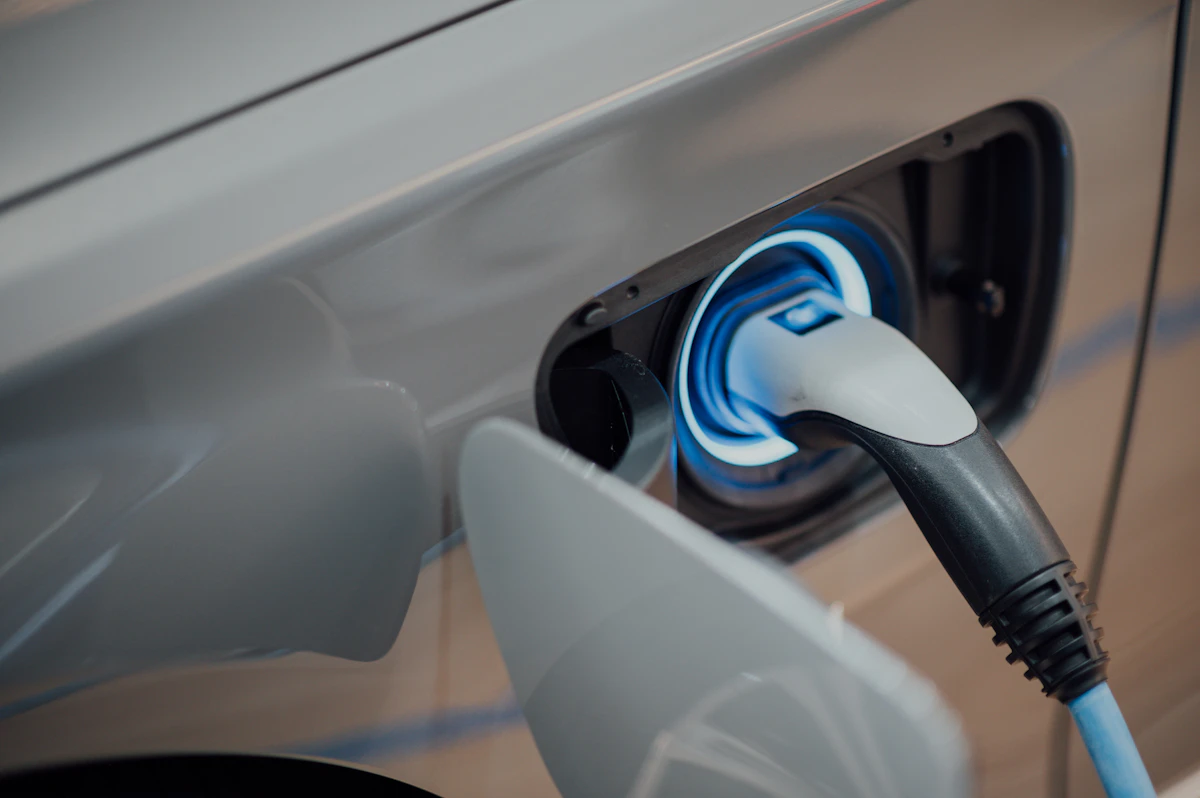
As the Chinese electric vehicle market reaches a fever pitch, a critical question remains: Have domestic players finally surpassed the global benchmark? Based on recent independent field evaluations conducted in China, we examine how the Tesla Model 3 (2024) stands against its primary rivals.
Nio ET5: The Strategic Battery-Swapping Moat
As Nio’s entry-level sedan, the ET5 highlights the massive strategic advantage of infrastructure-led mobility. Beyond its dual-motor AWD system, the ET5 focuses on the Nio battery swapping vs Tesla Supercharging debate. The ability to swap a depleted battery for a full one in minutes effectively eliminates range anxiety, a service-led luxury that creates a distinct competitive barrier in the premium segment.
Zeekr 007: 800V Architecture and Market Disruption
Backed by Geely’s manufacturing prowess, the Zeekr 007 utilizes a high-efficiency 800V architecture, significantly leading the market in charging speeds. Positioned as a direct rival to global luxury sedans, the 007 maintains a highly aggressive price point. It serves as a case study in balancing high-performance engineering with industrial-scale affordability.
Xiaomi SU7 Max: Performance via Ecosystem Integration
The debut from tech giant Xiaomi, the SU7 Max, represents a paradigm shift. Beyond its 664 hp output, the vehicle’s primary strength lies in its smart cockpit ecosystem integration (Human x Car x Home). With Brembo brakes and air suspension, the Xiaomi SU7 vs Tesla Model 3 performance gap has narrowed significantly. For tech-savvy consumers, the SU7 is less of a car and more of a high-speed mobile terminal.
Strategic Summary
The evaluation results indicate that while the Tesla Model 3 maintains its lead in powertrain efficiency and global brand equity, Chinese domestic models are redefining the “premium” standard through superior interior luxury and software-defined features.
Related Analysis: The ‘Double Standard’ in China’s EV Safety Narratives
Disclaimer: This report is based on independent field data and technical analysis verified by AutoChina Research.